REVIEW · CRETE
Pottery Village of Margarites – The monastery of Arkadi & The Gorge of Patsos
Book on Viator →Operated by ECO EVENTS · Bookable on Viator
Three stops, one very Cretan story. This tour strings together Margarites pottery, the Monastery of Arkadi, and the Gorge of Patsos into a day that feels full but not rushed. I like that you do not have to worry about driving, because a local driver chauffeurs you point to point in an air-conditioned vehicle.
I also like that the value is built in: entrance fees, a gorge walk with a picnic setup, and a traditional lunch (with a vegetarian option) are included. The main thing to watch is the format at Arkadi and Patsos: the guide cannot lead you inside historical monuments, and the gorge walk needs moderate physical fitness with a hike length that depends on your comfort and the weather.
In This Review
- Key things that make this tour worth your time
- A Cretan day plan that mixes craft, faith, and nature
- Margarites pottery village: Yorgos and real hand-thrown technique
- Arkadi Monastery: why the 1866 story still matters
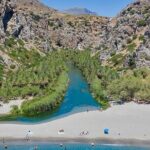
- Gorge of Patsos (St. Anthony Gorge): short hike, cave church, and running water
- Lunch in a countryside tavern: the pause that makes the day feel local
- Raki, timing, and how transport keeps the experience relaxing
- Price and logistics: does $357.45 feel fair?
- What to know before you go
- Who this tour suits best
- Should you book the Pottery Village of Margarites, Arkadi & Patsos?
- FAQ
- Is pickup included?
- What time does the tour start?
- How long is the tour?
- What language is the guide?
- Are entrance fees included?
- Is lunch included?
- How much walking is in the gorge?
- Do I need to drive?
- Is the tour dependent on weather?
Key things that make this tour worth your time
- Margarites pottery with Yorgos: see hand-thrown pottery up close, then wander the village’s narrow streets and colors at your pace
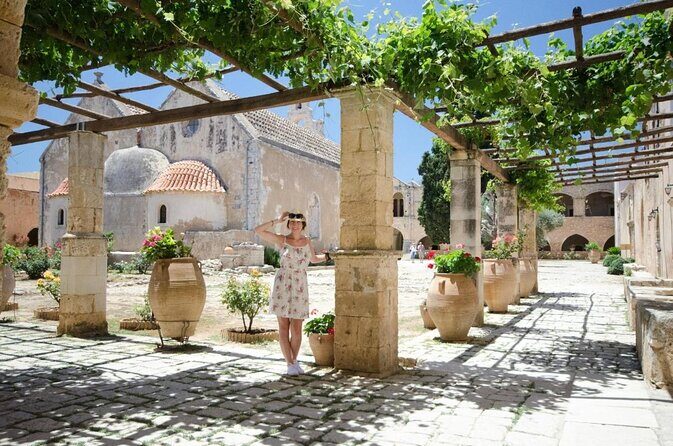
- Arkadi Monastery’s big setting: a fortified complex tied to Venetian-era Crete and the 1866 Holocaust story
- Patsos gorge in a short outing: enough walking to feel like nature, with flexibility on how far you go
- Protected species viewing: the gorge is home to protected flora, fauna, and birds under European legislation
- Lunch + raki rhythm: a traditional tavern meal plus lots of raki and laughter keeps the day social
- Small group max of 6: easier conversation and questions, without the feel of a crowded bus trip
A Cretan day plan that mixes craft, faith, and nature
This is the kind of Crete tour that works well if you want variety without hopping between random stops. You get a craft village, a major religious site, and a gorge with a nature focus, all in about six hours. Since pickup and drop-off are included for the Rethymno district only, the day starts and ends without you having to think about logistics much.
The pace is also realistic. Margarites gives you time to look, watch, and wander. Arkadi is structured around exterior exploration, with context about Cretan religious customs. Patsos is the active part, but it’s designed as a short walk with an optional turn-back point if you want an easier route.
And because the group is capped at six travelers, it feels less like you’re being herded and more like you’re sharing a day with people who care about what you’re seeing.
You can also read our reviews of more tours and experiences in Crete.
Margarites pottery village: Yorgos and real hand-thrown technique
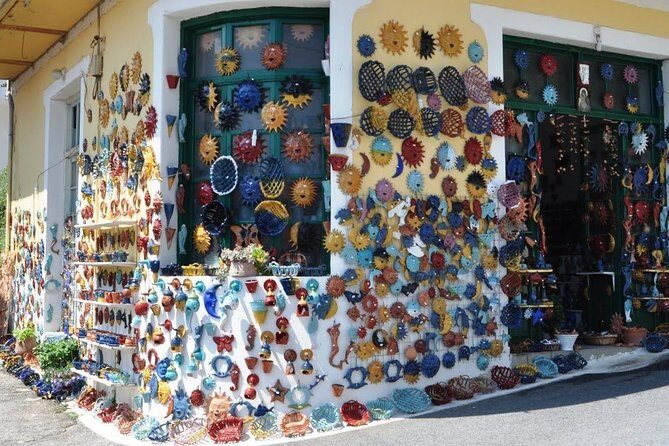
The day begins in Margarites, a pottery village that still keeps the tradition alive while pushing it into modern art. You don’t just get a quick photo stop. You meet Yorgos, a local who demonstrates how pots are hand-thrown, turning a centuries-old craft into something living and current.
What I like about this stop is the way it teaches without turning into a lecture. Watching pottery take shape by hand gives you a tactile understanding that you cannot get from looking at finished ceramics on a shelf. If you’ve ever wondered why “handmade” pottery has that small, human irregularity in shape and finish, this is exactly the moment you see where it comes from.
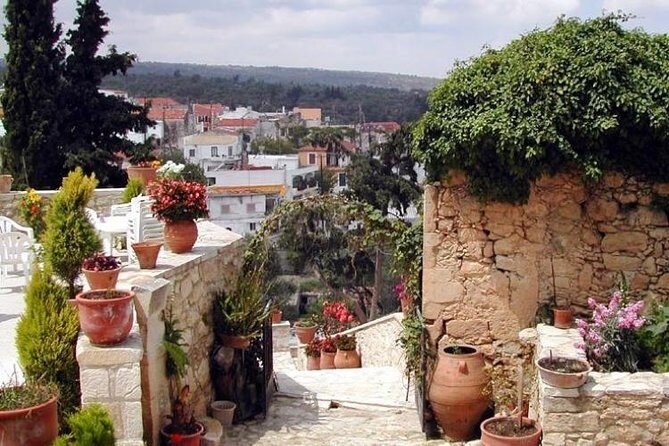
After the demonstration, you get time to explore the village itself. Margarites is known for its unique architecture and narrow, winding streets, so the wandering is not just idle walking. It’s part of the experience—small alleys, color, and the kind of quiet that makes you slow down.
This is also a good moment to take a pause with a traditional coffee at a small kafeneio. It breaks the day nicely before you switch gears to monastery time.
Practical watch-outs: this portion is mostly easy, but it helps to bring comfortable shoes. Even in a quiet village, the streets can be uneven and narrow.
Arkadi Monastery: why the 1866 story still matters
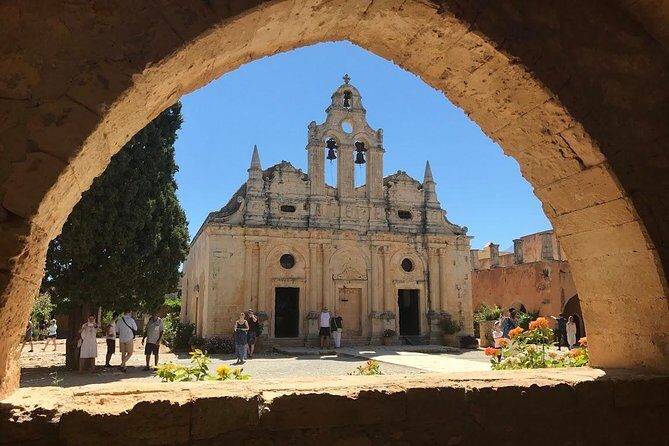
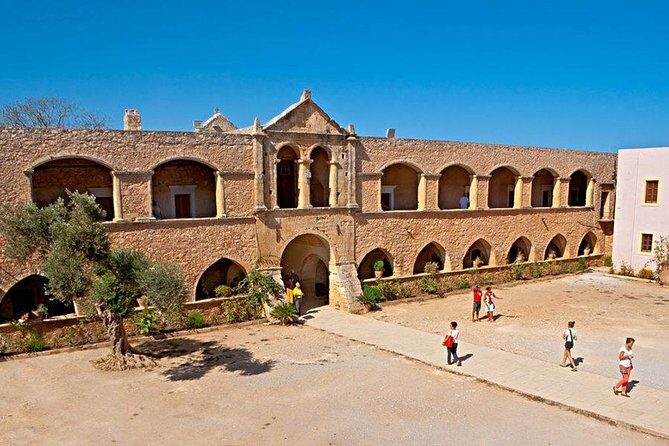
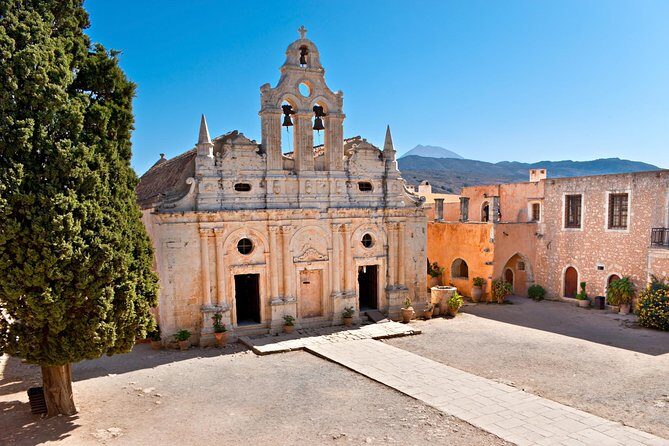
Next comes the Monastery of Arkadi, one of Crete’s best-known monasteries because of the Holocaust of 1866. The tour frames Arkadi as more than a landmark. It’s a window into Cretan religious customs and how the island’s faith and history overlap.
Architecturally, Arkadi stands out for its impressive, fortified complex built toward the end of the Venetian period. That “fortress” aspect changes how you read the site. You can see it as a spiritual place, yes—but also as a structure built to endure conflict and protect people during turbulent eras.
One key limitation: the guides on this tour are not official guides for the monument, so you cannot join an inside tour of the historical interior. That might sound like a letdown, but it often becomes a blessing in practice because you focus on what you’re allowed to access and you learn the story around what you see.
If you’re the kind of visitor who loves context—why a site looks the way it does, what events shaped it—this stop has strong payoff. You’ll leave with a clearer sense of why Arkadi is emotionally charged for many Cretans, not just historically interesting.
Gorge of Patsos (St. Anthony Gorge): short hike, cave church, and running water
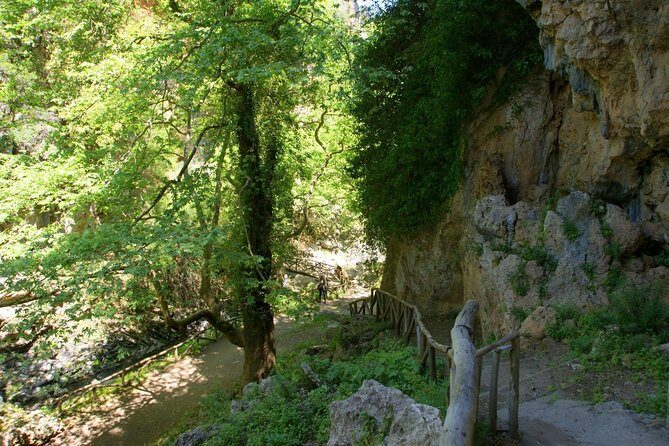
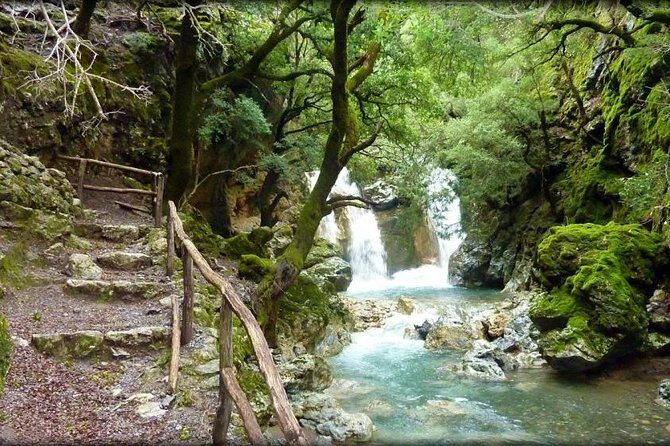
The final major stop is the Gorge of Patsos, also called the St. Anthony Gorge. This is the nature turn in the day, and it’s designed to feel special without requiring a full-day trek.
The gorge begins at Ano Assites, and the walk is built around the idea of seeing a protected ecosystem. You get specific numbers about the wildlife and plant life protected under European legislation: 80 species of flora, with 4 protected; 24 species of fauna, with 11 protected; and 16 species of birds, with 8 protected. Even if you do not spot every single species (that’s normal), knowing the gorge has legal protection adds weight to the scenery.
As you move through the gorge, you get a chance to enjoy a small picnic at the gorge facilities, watching a spring of running water near the river. That detail matters because it turns the stop into a sensory break, not just a hike.
Then there’s the signature sight: the cavernous church of St. Anthony in the rocky walls. The tour also notes that it was once a former temple of Hermes, which adds an extra layer—religion layered over older traditions in the same physical space.
Hike length is flexible. Your route typically includes about half an hour of hiking to a certain point, with a practical note that after 20–30 minutes the gorge can become more difficult. The route you choose depends on your comfort and weather, so you can go a bit farther or stick to the easier portion that still lets you reach the St. Anthony cave church.
This is where moderate fitness matters. You do not need to be an elite hiker, but you should expect uneven ground and a walk that gets you moving.
Lunch in a countryside tavern: the pause that makes the day feel local
Food is included, and it’s not treated like an afterthought. You get a traditional lunch in a tavern, with a vegetarian option included. The best part is that this meal connects the whole day: after pottery and monastery time, you end up in the countryside setting where Cretan life actually happens on a normal day.
One example of what lunch can include is a table of classics such as meatballs in fragrant tomato sauce, plus local cheese pastry with mint and honey. Desserts like that are exactly the kind of small regional touch that makes the meal feel like Crete, not just Greek food in general.
If you eat meat, you should not expect it to be a bland plate. If you prefer vegetarian, the tour provides an option, so you should feel taken care of without having to hunt for alternatives.



Raki, timing, and how transport keeps the experience relaxing
A lot of tours sound “convenient” but still feel chaotic once you’re in the car. Here, convenience is genuinely part of the design. You’re picked up and dropped off in the Rethymno district and transported by an air-conditioned vehicle, with a driver handling the driving.
That means you spend your energy looking at villages, reading the monastery setting, and walking the gorge—rather than worrying about maps, parking, or road navigation. It also helps with timing because you’re moving efficiently between three different kinds of places.
The tour also leans into social energy. It includes lots of raki and laughter, which might sound like a throwaway line, but it’s a real indicator of the tone. In small groups, that kind of relaxed vibe can make the educational parts land better. You’re not just absorbing facts; you’re sharing the day.
Price and logistics: does $357.45 feel fair?
At $357.45 per person for roughly six hours, this isn’t a budget shuffle. But the price makes more sense when you break it down the way a careful traveler would.
You’re paying for:
- pickup and drop-off in the Rethymno district
- air-conditioned transport by car or mini bus
- a guide who can explain the religious side of Cretan culture
- entrance to the monastery
- a gorge walk experience built around the St. Anthony site
- lunch with a vegetarian option
- all taxes, fees, and handling charges
So you’re not just paying for the ride and a general sightseeing loop. Admissions are included, and the lunch is included. For many independent travelers, that’s the part that adds up fast—especially when you’re trying to line up multiple stops without renting a car.
Also, the maximum group size of six travelers helps justify the cost. Larger groups often lose the personal, conversational feel that makes cultural sites more meaningful.
What’s not included is straightforward: the monastery format is not a fully guided inside monument tour because the tour guides aren’t official. But that’s also part of how it stays structured and keeps you moving with the right permission level.
What to know before you go
You’ll want to plan for good weather. The tour notes that it requires good conditions and can be rescheduled or refunded if canceled for poor weather. For the gorge, that’s especially important because walking comfort and safety depend on conditions.
Wear shoes that handle uneven ground. Margarites streets can be narrow and irregular, and Patsos involves a hike portion where footing matters.
Bring a light layer. The gorge environment can feel cooler than you expect, especially when you stop near running water and rocky walls.
If you’re sensitive about walking difficulty: the gorge route includes a reasonable portion, but it can become more difficult after about 20–30 minutes. You can adjust your walking to match your comfort level.
And if you want to buy souvenirs: the pottery element in Margarites is the natural place to do it. You’ll have context for what you’re seeing, so any purchases feel connected to the craft, not random.
Who this tour suits best
This works especially well for:
- couples or small groups who want a private feel without being in a big crowd
- travelers who like a day with both learning and movement
- people who want craft and culture, not just scenery
- visitors based around Rethymno who don’t want to drive around western Crete
It may not be the best fit if you need a fully guided inside tour of the monastery interiors. The tour does not do that inside monument access. Also, if you dislike hiking at all, Patsos may feel like too much. It’s short, but it’s still walking through a gorge.
Should you book the Pottery Village of Margarites, Arkadi & Patsos?
I’d book it if you want one of those Crete days where craft, faith, and nature connect into a clear story. You get real pottery technique with Yorgos, a strong cultural stop at Arkadi with the 1866 context, and a gorge visit that’s active but manageable. The inclusion of lunch, monastery entry, and transport from Rethymno makes it good value in practice, not just on paper.
Skip or consider alternatives if you specifically need a full inside guided tour of Arkadi’s historical monuments or if you know you want zero physical exertion. For everyone else, this is a smart, efficient way to see multiple sides of Crete in a single day.
FAQ
Is pickup included?
Yes. Pickup and drop-off are included, but only for hotels in the Rethymno district.
What time does the tour start?
The tour starts at 9:00 am, with pickup time depending on your hotel.
How long is the tour?
It runs about 6 hours.
What language is the guide?
The tour is offered with an English or French speaking guide.
Are entrance fees included?
Yes. Entrance to the monastery is included, and the tour includes admission fees.
Is lunch included?
Yes. A traditional lunch in a tavern is included, with a vegetarian option available.
How much walking is in the gorge?
You’ll typically hike about half an hour to a point where the route becomes more difficult after around 20–30 minutes. You can adjust how far you walk based on weather and your fitness.
Do I need to drive?
No. You are transported by air-conditioned car or mini bus, and a driver takes care of getting you between stops.
Is the tour dependent on weather?
Yes. It requires good weather, and if it’s canceled due to poor conditions, you’ll be offered a different date or a full refund.