REVIEW · CRETE
Heraklion: Hop-on Hop-off Open Top Bus Sightseeing Tour
Book on GetYourGuide →Operated by ATHENS OPEN TOUR · Bookable on GetYourGuide
Heraklion feels simpler from the top deck. I like the 48-hour hop-on hop-off freedom and the audio guide in 8 languages, which makes the city click fast. The one real caution is that some buses can feel a bit worn, and if you hop off, you may wait longer than you expect to get back on.
For a little over two hours of effort spread across two days, you can cover major sights without playing taxi roulette. The route includes famous picks like Old Port Square, the Venetian Walls, Knossos-area stops, and a beach run to Ammoudara, with a summer schedule that runs 09:15 to 17:30 and a full loop taking about 60 minutes.
In This Review
- Key things I’d actually plan around
- 48 hours of Heraklion: how the hop-on hop-off ticket really helps
- Price and value: what you’re paying for at $22.58
- Getting on board: where to start and how to find the bus
- Audio on a double-decker: views plus commentary in 8 languages
- Old Port Square to Jesus Gate: a quick old-town circuit you can walk from
- Historical Museum of Crete stop: when you want context before you pick museums
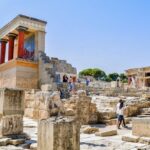
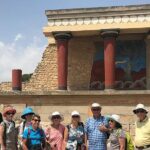
- Knossos Palace by bus: the big-name stop, minus the entrance hassle
- Heraklion Archaeological Museum: where the route makes sense
- Venetian Walls and the Grave of Nikos Kazantzakis: walkable stops with a payoff
- Ammoudara beach run: a sunny bonus with a timing reality check
- Cleanliness, age, and comfort: what to expect on the bus itself
- Frequency and route loop: don’t get caught by the schedule
- Who this tour suits best (and who should skip it)
- Should you book the Heraklion Open Tours bus?
- FAQ
- How long is the ticket valid?
- What time does the bus run in the summer season?
- How often does the bus arrive?
- Which stops are on the route?
- Where can I board the hop-on hop-off bus?
- How do I find the correct bus?
- What languages are available on the audio guide?
- Are headsets included?
- Are entrance fees included for attractions?
- Is the tour wheelchair accessible, and can I cancel for free?
Key things I’d actually plan around
- A 48-hour ticket from first activation means you can pace your sightseeing across two days instead of cramming
- 8-language audio + headsets help you understand Heraklion’s old and modern story as you ride
- Knossos Palace and the Archaeological Museum are on the route, so you can jump between legends and artifacts
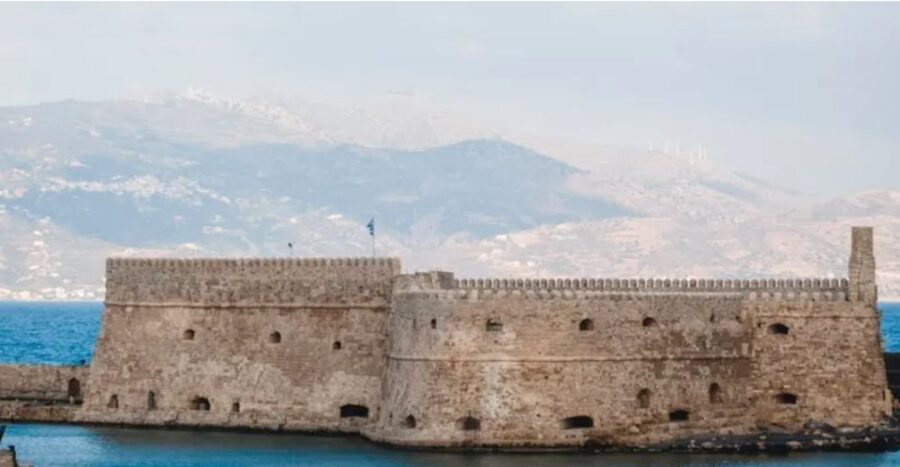
- Venetian Walls and Jesus Gate make the old town feel walkable, not just scenic
- Ammoudara beach run is built in, but timing matters if you want to stay longer
- Service can be genuinely helpful, including kindness from guides such as Athina, but buses aren’t always pristine
48 hours of Heraklion: how the hop-on hop-off ticket really helps

This is the kind of tour that works best when you treat it like a flexible tool, not a rigid checklist. You get a ticket valid for 48 hours starting from your first activation, so you can split the experience over two different moments of the day, or even over two days with different energy levels.
The big value is how much you can see without coordinating rides. Heraklion’s highlights are spread out enough that a car or taxi plan can get expensive, but the bus gives you a repeatable structure: ride, hop off at a stop you care about, and hop back on later.
One more practical win: the route is designed around major anchors. You’re not stuck only with “views from the window.” You can connect with Knossos Palace, the Heraklion Archaeological Museum, and the walkable old-town areas around the Venetian Walls and Jesus Gate.
You can also read our reviews of more tours and experiences in Crete.


Price and value: what you’re paying for at $22.58
At about $22.58 per person, this is priced like an orientation-and-access pass. You’re paying for transportation, not entrance tickets, and you’re also paying for convenience: audio commentary, headsets, and the ability to choose your timing.
If you were to do this by taxis every time you wanted a museum or a different district, the cost usually climbs fast. With a hop-on hop-off ticket, you’re buying fewer transfers and fewer logistics headaches, which is exactly what’s worth money on vacation.
You should also factor in the main trade-off: the tour ticket doesn’t include entrances. That means your spend depends on which stops you actually go inside. If you’re the type who loves museums and palace sites, the value can feel strong. If you mostly want quick exterior views, you’ll probably feel like you’re paying more for the ride than for the entries.
Getting on board: where to start and how to find the bus

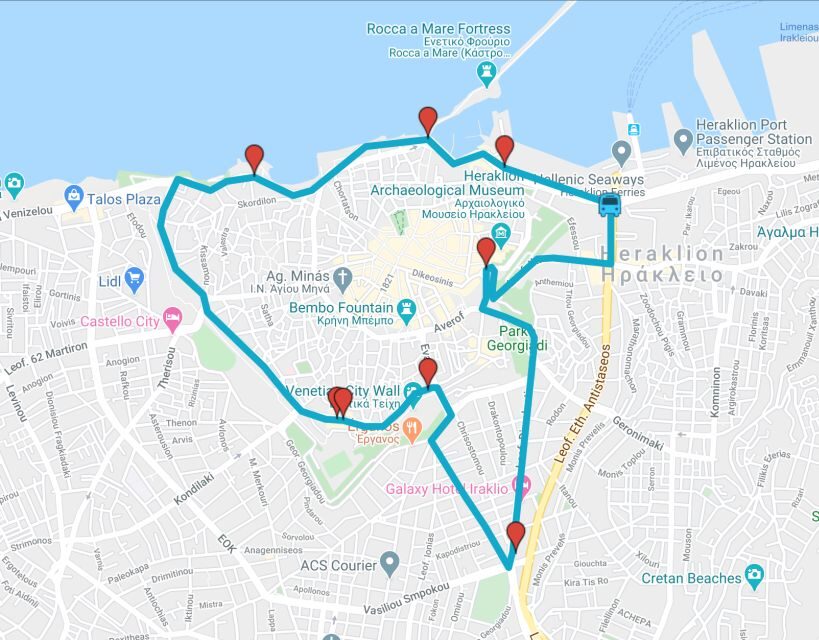
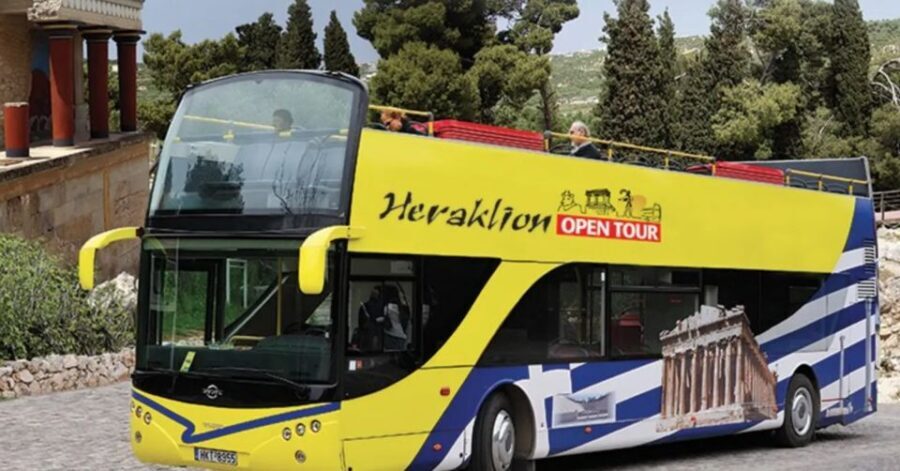
The simplest thing: look for yellow signage with black lettering reading Heraklion Open Tours. You can board at several points around the city, including the port area, Fitaki Megaron, 18 Agglon Square, the Natural History Museum, Cultural Center, and the stops near key sites like Knossos, the Archaeological Museum, the Grave of Nikos Kazantzakis, and Jesus Gate.
This matters because Heraklion can feel confusing if you arrive and immediately start walking without a plan. The bus gives you a way to get bearings fast: hop on near where you’re staying or where you already are, then use the route to map out what’s close and what needs a longer walk.
A small but helpful detail: you’ll get a map showing all the bus stops. That lets you decide your second day with confidence, instead of guessing where things are.
Audio on a double-decker: views plus commentary in 8 languages
Riding an open-top double-decker is about sightlines. You get a better angle on the streets and landmarks than you would from a normal city bus. It’s also the kind of setup where you’ll likely notice the mix of old walls, modern city streets, and the way Heraklion sits in its landscape.
The other half of the experience is understanding what you’re seeing. Commentary is available in English, German, French, Italian, Spanish, Greek, and Russian, and headsets are included, so you’re not relying on everyone hearing the audio from the speaker.
Practical tip: if you notice the headset audio is acting up, switch seats or ask for help right away. One review flagged headset-related issues on some buses, and the staff can sometimes smooth it out quickly.
Old Port Square to Jesus Gate: a quick old-town circuit you can walk from
Starting around the port area is a smart way to ease into Heraklion. Old Port Square sets the scene: you’re near the historic and commercial center, and you can choose to stay in that zone for a while if you like wandering.
From there, the route connects you toward the old-town feel around Jesus Gate. This is one of those stops that makes the city more than a drive-by. If you hop off and walk, you’ll likely find traditional streets and the kind of small-scale browsing that’s perfect between museum visits.
The main drawback with any hop-on hop-off plan is that walking times can add up, and the bus schedule is not random. The bus runs on a set rhythm, so if you wander too far, you might have to time your return carefully.




Historical Museum of Crete stop: when you want context before you pick museums
One of the better moves is to use the bus to position yourself where your interests match the day. The Historical Museum of Crete stop is useful if you want a grounding in Cretan civilization and the local story before you go deeper into major sites.
Even if you don’t want a full museum session, the ride itself helps you connect the dots. You’ll likely find that after a stop like this, your later visits to Knossos-area highlights or the Archaeological Museum feel less like separate attractions and more like one connected theme.
Also, it keeps your day realistic. Museums are great, but in hot weather they can turn into long indoor marathons. This stop lets you choose a shorter hit and then get back out.
Knossos Palace by bus: the big-name stop, minus the entrance hassle
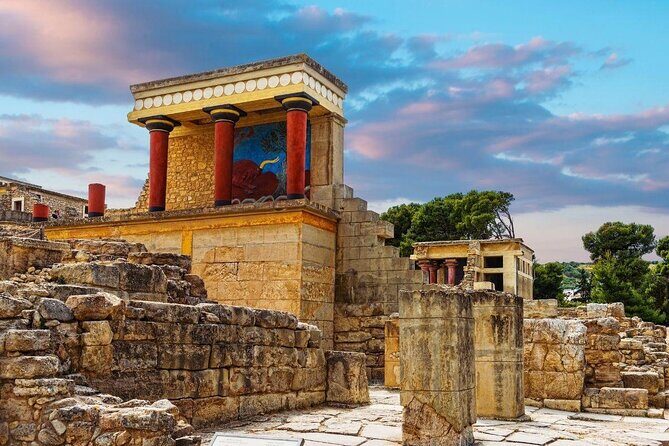
Knossos Palace is the headline in this whole setup. Having it on the route means you don’t have to arrange a separate connection just to see the most famous archaeological name tied to Crete.
Here’s the key value: the bus gets you to the area without needing extra planning in the moment. You can choose how much time you want before and after, and you can fit it into your 48-hour plan rather than sacrificing your whole day.
The main thing to remember is that entrances aren’t included. That means you’re responsible for the entry fee if you go inside. If you’re budgeting tightly, decide ahead of time whether you’re doing palace interiors, because the cost matters.
One more practical note drawn from real-world experience: when the tour shifts toward beach time, the schedule can become less ideal for people who want long, uninterrupted sightseeing. If you want Knossos to be your main “deep” stop, consider making it one of your earlier-day priorities.
Heraklion Archaeological Museum: where the route makes sense
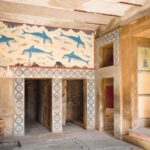
The Heraklion Archaeological Museum stop is the other anchor that turns the bus from just sightseeing into something educational. If Knossos feels like the big myth-and-monument draw, the museum is where you can get closer to objects tied to Cretan life and history.
This pairing is what makes the tour feel efficient. You can do a palace visit, then later return to the city and connect what you saw outdoors with what you see inside.
Drawback to plan for: museum time can balloon when you’re actually reading labels and not just scanning. The hop-on hop-off format is flexible, but it’s not built for the kind of slow, all-day wander that ignores the bus rhythm entirely. Keep an eye on your return timing so you don’t get stuck waiting.
Venetian Walls and the Grave of Nikos Kazantzakis: walkable stops with a payoff
The route includes Venetian Walls, which is exactly the type of stop that’s best when you hop off and walk. City walls are made for movement. You’ll likely get a better feel for the scale and placement than you can from the bus window alone.
Then there’s the Grave of Nikos Kazantzakis, which adds a different angle. Instead of only focusing on ancient ruins and palace legends, it places literature and modern Cretan identity into your day. It’s a good contrast stop that helps Heraklion feel like a living place, not a museum city.
If you like pacing, these are strong choices for the in-between moments. They don’t necessarily require a deep indoor commitment, so you can keep your day balanced even if the weather turns.
One caution: hop off and enjoy a walk, but don’t treat the bus like a guaranteed next-minute ride. One rider specifically warned about longer waits when hopping back on, and while buses may be on time overall, the interval means you need to plan your timing.
Ammoudara beach run: a sunny bonus with a timing reality check
The route includes a beach stop for Ammoudara, which is a big reason people like this tour. Even if you’re not a full beach day person, it’s nice to have a built-in option to cool off after museums and old-town wandering.
Here’s the honest part. The beach run can feel more like a drop-off than a structured beach program. One review even suggested taking a normal bus for the beach instead, which is a solid strategy if you want flexibility once you’re there.
So how do you make this work?
- Treat the beach stop as time-efficient if you want a quick swim and photos.
- If you want to stay longer, plan to use local transit after you’ve arrived, so you’re not rushing to catch the last bus option.
Also, open-top buses can make midday heat more intense. If you’re sensitive to sun, plan your beach time for the part of the day when you can handle it, then keep your return ride comfortable.
Cleanliness, age, and comfort: what to expect on the bus itself
The bus ride experience is mostly about the view, but the vehicle matters. Some riders flagged that certain buses seemed older and not especially clean, including rubbish on the upper deck. Others mentioned problems like broken seats or missing sockets for the audio system.
None of this ruins the concept of the tour. It just means you should pack like you’re riding city transit, not a luxury coach. A small habit helps: wipe your seat area before you settle in and keep an extra water bottle handy. If audio or comfort seems off, switch seats and ask for a fix.
On the brighter side, the service can be genuinely kind and helpful. Guides such as Athina were called out as supportive, which is the kind of human touch that makes a hop-on hop-off tour feel less mechanical.
Frequency and route loop: don’t get caught by the schedule
In summer, the bus runs from 09:15 until 17:30, with buses operating on a 45-minute frequency interval and a full loop taking about 60 minutes.
That’s enough structure to plan a day, but it’s also enough delay to punish sloppy timing. If you hop off and then lose track of where you are relative to the next bus, you can end up waiting longer than you wanted.
My practical advice is simple: set a return mindset. When you hop off, make a quick note in your head of what time you need to be back so you don’t scramble. If you’re splitting your time between Knossos-area sights and museum time in the city, don’t let your museum browsing eat the whole afternoon.
Who this tour suits best (and who should skip it)
This tour is a great match if you want:
- A simple way to cover multiple Heraklion highlights in two days
- Audio guidance without needing to constantly read maps
- The freedom to choose whether you do full museum visits or quick exterior wandering
- A built-in option for Ammoudara beach time
It may not be ideal if you:
- Hate waiting at stops when you return
- Want a super clean, brand-new vehicle experience all day
- Plan to spend hours at every stop without paying attention to bus timing
If your top priority is one attraction only, you might find other options more efficient. But if your goal is to see the big hits with minimal stress, this fits well.
Should you book the Heraklion Open Tours bus?
I’d book this if you want a practical, low-stress way to organize your Heraklion time. The 48-hour ticket, 8-language audio, and the ability to reach both Knossos and key city sights like the Venetian Walls make it a smart value for many visitors.
I’d hesitate if you’re picky about bus comfort and cleanliness or if you’re the type who hates any waiting at all. In that case, you can still use the bus concept, but consider pairing it with local transit for the beach and being extra deliberate about return times.
FAQ
How long is the ticket valid?
Your ticket is valid for 48 hours from the first time you activate it.
What time does the bus run in the summer season?
The tour runs from 09:15 until 17:30 during the summer season.
How often does the bus arrive?
The tour operates on a 45-minute frequency interval during the summer season, and a full loop takes about 60 minutes.
Which stops are on the route?
The eight bus stops are Old Port Square, Historical Museum of Crete, Knossos Palace, Heraklion Archaeological Museum, Grave of Nikos Kazantzakis, Venetian Walls, Port bus station, and Jesus Gate.
Where can I board the hop-on hop-off bus?
You can start at many stops around the city, including the Port (Cruise Terminal), Fitaki Megaron, 18 Agglon Square, Natural History Museum, Cultural Center, Grave of Nikos Kazantzakis, Jesus Gate, Knossos, and Archaeological Museum.
How do I find the correct bus?
Look for the yellow signage with black lettering that reads Heraklion Open Tours at any of the listed stops.
What languages are available on the audio guide?
The audio commentary is available in English, German, French, Italian, Spanish, Greek, and Russian.
Are headsets included?
Yes. Headsets are included.
Are entrance fees included for attractions?
No. Entrance fees to attractions are not included.
Is the tour wheelchair accessible, and can I cancel for free?
The tour is wheelchair accessible. There is free cancellation available up to 24 hours in advance for a full refund, and you can reserve now and pay later.
If you tell me where you’re staying in Heraklion and which stops you care about most (Knossos, museums, or beach), I can suggest a simple 2-day plan using this route.