REVIEW · CRETE
Chania: Sightseeing & Tastings Tour
Book on GetYourGuide →Operated by Crete Local Adventures · Bookable on GetYourGuide
Chania changes pace fast when food is the plan. This 4-hour sightseeing and tastings tour strings together the city’s history and flavors, starting at the municipal market and ending with mezedes by the harbor. I love how it pairs specific Cretan ingredients (olives, honey, olive oil) with neighborhood stories that explain why Chania feels like a crossroads. One thing to watch: you’ll walk a fair bit in uneven Old Town streets, so comfy shoes matter.
I also like the way the tour builds in hands-on moments, like meeting artisans and trying small “you can do this” skills along the way. Guides such as Manos, Adonis, and Yannis pop up often in reviews for their energy and their ability to turn a snack stop into context you’ll remember. If you’re not a big eater, you might feel over-supplied—people repeatedly say to arrive hungry and you’ll still be fine without a heavy breakfast.
Bottom line: this is a great fit if you want Chania’s Old Town on foot with real food stops, but it’s not the kind of tour that lets you breeze through at your own pace. Treat it like a guided route through back streets, markets, and tasting tables where your best job is to show up with an empty stomach.
In This Review
- Key things that make this tour worth your time
- Chania sightseeing + tastings: what kind of experience this really is
- Starting at Kydon Hotel: how the tour gets you into Old Town fast
- Dimotiki Agora (Municipal Market): the smartest place to start your eating plan
- Old Chania Market tastings: what you’ll actually taste and why it matters
- Old Town walking with coffee: Venetian and Ottoman streets with story context
- The crafts stop: meeting artisans and trying skills, not just taking photos
- Ottoman and Jewish quarters: two layers of multicultural Chania on foot
- Harbor promenade and the tasting table: mezedes, raki, and wine
- Pace, duration, and what to do if you’re short on time
- Price and value: is $114 per person a good deal?
- Who should book this Chania food walking tour
- Quick do-this-now tips to get the most out of it
- Should you book this tour?
- FAQ
- How long is the Chania sightseeing and tastings tour?
- What’s the meeting point?
- What’s included in the tour price?
- Do I need to pay extra for food and drinks?
- Can vegetarians or people with dietary restrictions join?
- Is alcohol included?
- What should I bring?
- Is the tour in English?
- Can I cancel for a refund?
Key things that make this tour worth your time
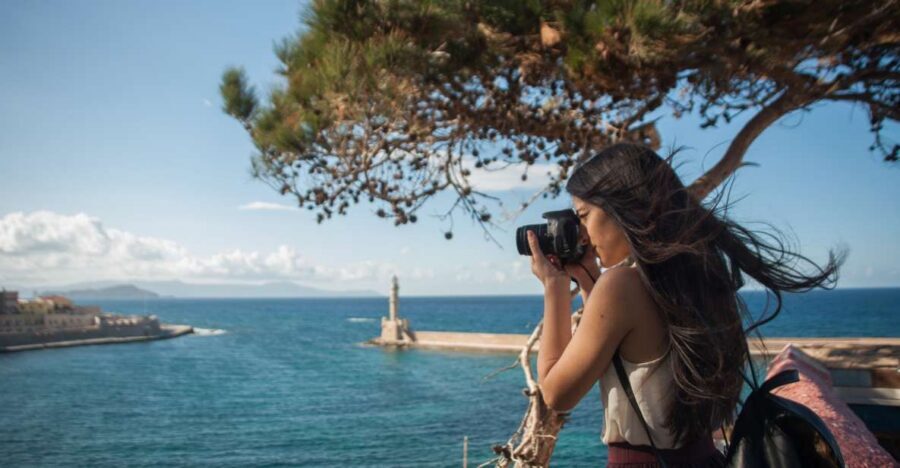
- Dimotiki Agora starts you in the right place: a 1913 market that acts like the line between old and new Chania
- You get pantry-level tasting: olives, honey, olive oil, and other regional staples, not just one-off bites
- Old Town stories go beyond monuments: you’ll hear myths and legends while walking Venetian and Ottoman areas
- Crafts aren’t just viewing: you meet makers, learn their work, and in some stops you may test your own skills
- The route includes two big layers of Chania: the Old Jewish quarter and the Ottoman quarter
- You end with a proper meal mood: Cretan mezedes, raki, and a later wine-tasting stop
Chania sightseeing + tastings: what kind of experience this really is
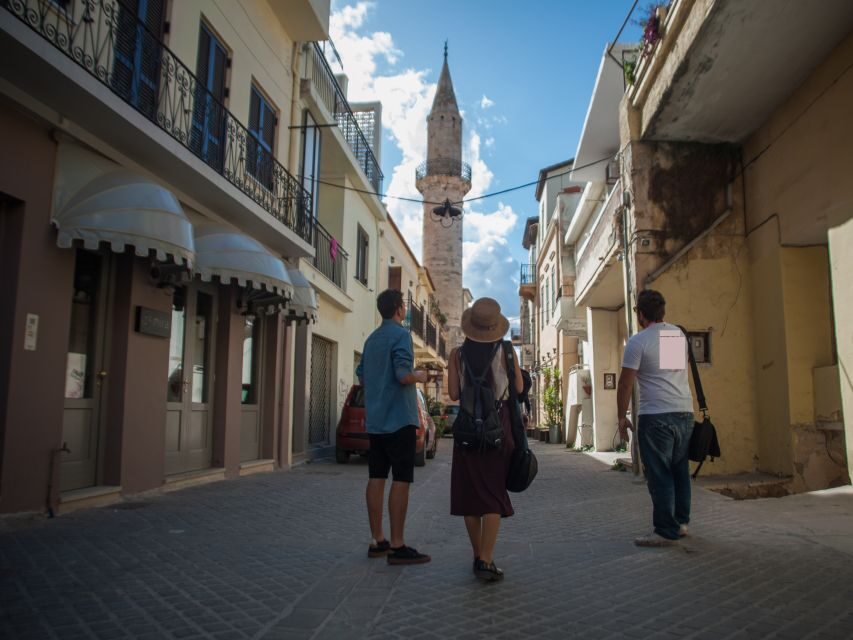
This isn’t a museum tour where you watch history from the sidewalk. It’s a food-walk where every stop has a point: where the ingredients come from, how they fit into daily life, and how Chania’s many rulers left their fingerprints on streets, communities, and tastes.
The structure is simple. You begin at the Municipal Market, where you get your first wave of bites and familiar Cretan flavors. Then you move into the Old Town on narrow lanes, pass Venetian and Ottoman monuments, and keep steering toward neighborhoods with layered histories. The middle of the tour shifts from “look around” to “meet the makers,” and the last stretch leans into drinking and eating: coffee, mezedes, raki, and a wine-tasting stop.
What I like about this format for you: it’s paced for people who want a lot in 4 hours without feeling rushed at each table. Reviews also signal a common theme: guides tend to balance history, food talk, and practical local recommendations, which means you leave with both full plates and a better sense of where to go next.
You can also read our reviews of more tours and experiences in Crete.


Starting at Kydon Hotel: how the tour gets you into Old Town fast
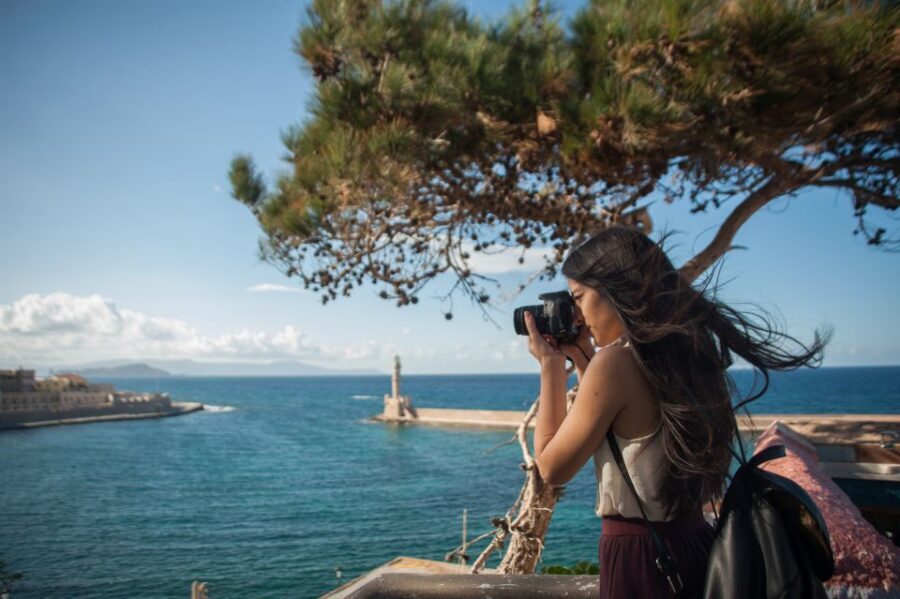
The meeting point is Kydon, The Heart City Hotel, right at the entrance. Your guide will be holding a Crete Local Adventures sign, and the tour begins at the hotel before heading toward the old-town core.
This matters more than you’d think. Many Chania tours start deep in the Old Town, which can be a hassle if you’re staying a bit outside the action. Starting at the hotel makes it easier to arrive on time and settle into walking mode.
Also, plan for foot traffic. The route includes old lanes and corners, and Chania’s Old Town doesn’t do “flat and smooth” as a rule. Bring comfortable shoes, and you’ll feel confident instead of counting minutes until the next stop.
Dimotiki Agora (Municipal Market): the smartest place to start your eating plan
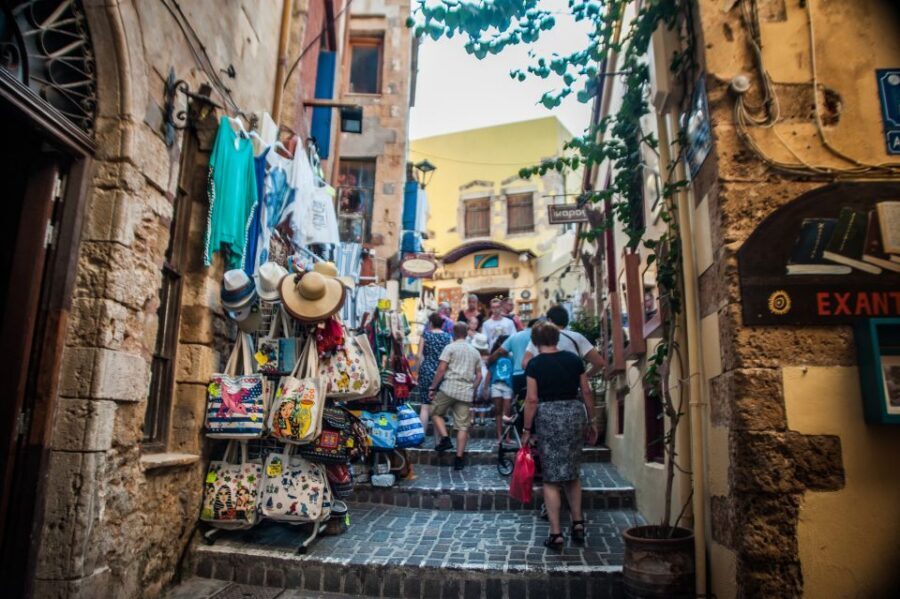
The tour begins at the Dimotiki Agora, described as the boundary between old and new town. Established in 1913, it’s a market where you’ll find over 70 family-owned businesses, with local groceries and Cretan products.
This is a strong start because it sets your tasting baseline. Before you wander, you get oriented to what “Cretan food” actually means in daily life: olives, honey, olive oil, plus sweets and other small bites that help you understand the city’s pantry.
Practical tip from the way people talk about it: don’t eat a heavy breakfast. Multiple reviews call this out directly, and the logic is clear. This tour doesn’t just offer a snack here and there; it feeds you step by step, so arriving hungry lets you enjoy the variety instead of feeling like you’re pushing food around your stomach.
Old Chania Market tastings: what you’ll actually taste and why it matters
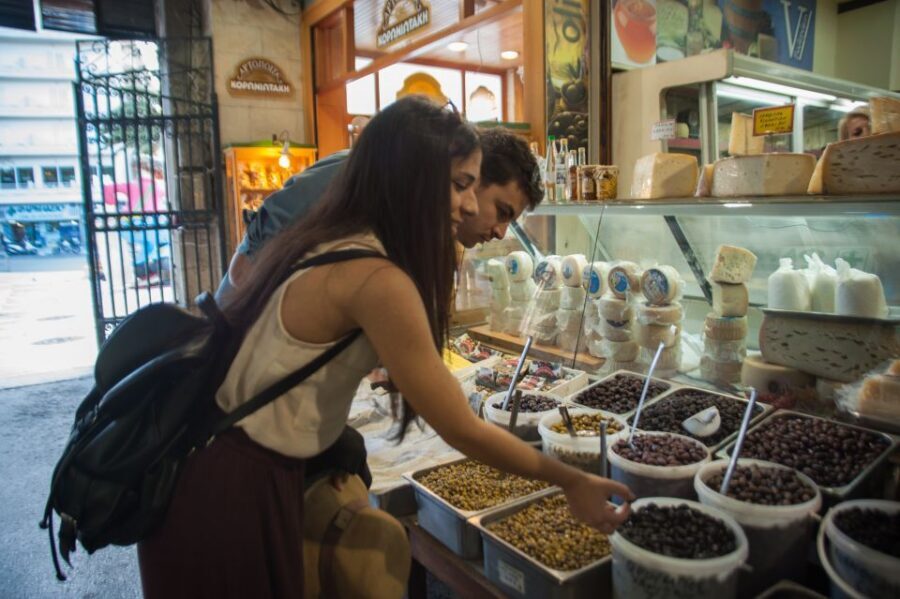
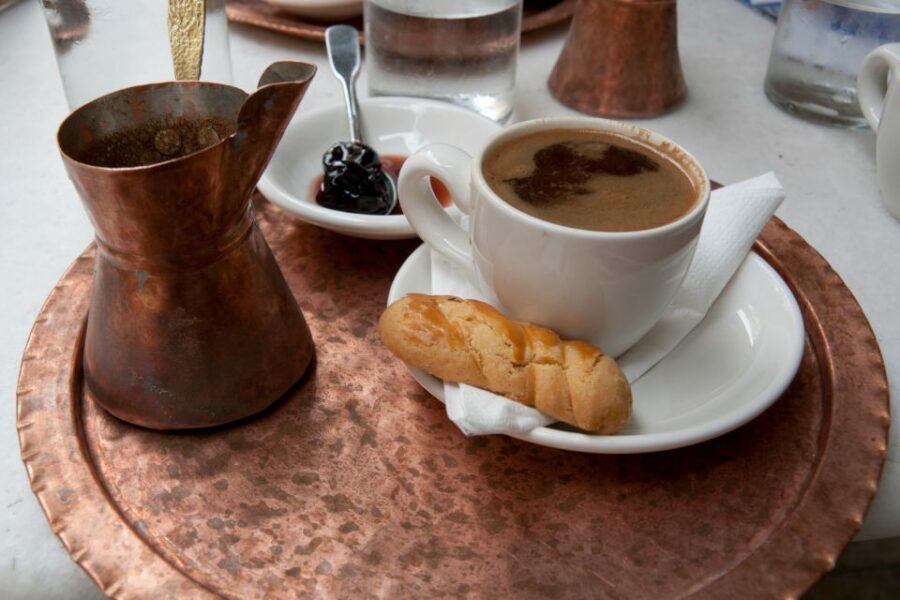
After the market start, the tour continues with food tasting and a food market visit. Included items include Greek coffee, local sweets, olives, honey, and olive oil. That lineup is more useful than it sounds.
Here’s why: olive oil, honey, olives, and similar staples shape meals across the island. When you taste them early, later mezedes feel connected instead of random. The same goes for sweets—when you learn what’s local and how it’s made, you get a better shopping instinct by the end of the tour.
If you have dietary needs, this is one of the better types of tours to choose because there’s a stated option to accommodate vegetarians and other dietary restrictions if you notify the partner in advance. Don’t wait until you’re on the street—send the request early so the guide can match you with suitable tastings.
Old Town walking with coffee: Venetian and Ottoman streets with story context
Once tastings are underway, the route shifts into Old Town strolling. You’ll navigate back streets and narrow laneways, and you’ll stop for coffee (about 30 minutes).
The coffee break isn’t just caffeine. It’s where the guide’s stories usually start to click for you. Expect myths and legends tied to kings, sailors, merchants, heroes, lovers, and artists, plus an explanation of how Chania’s position pulled it between the West and East over centuries. If you like travel where history isn’t just a plaque, this is the part of the tour that tends to feel most memorable.
Coffee also gives you a rhythm reset. Since the tour is a walking format, that short pause helps you enjoy the next segment rather than powering through.




The crafts stop: meeting artisans and trying skills, not just taking photos
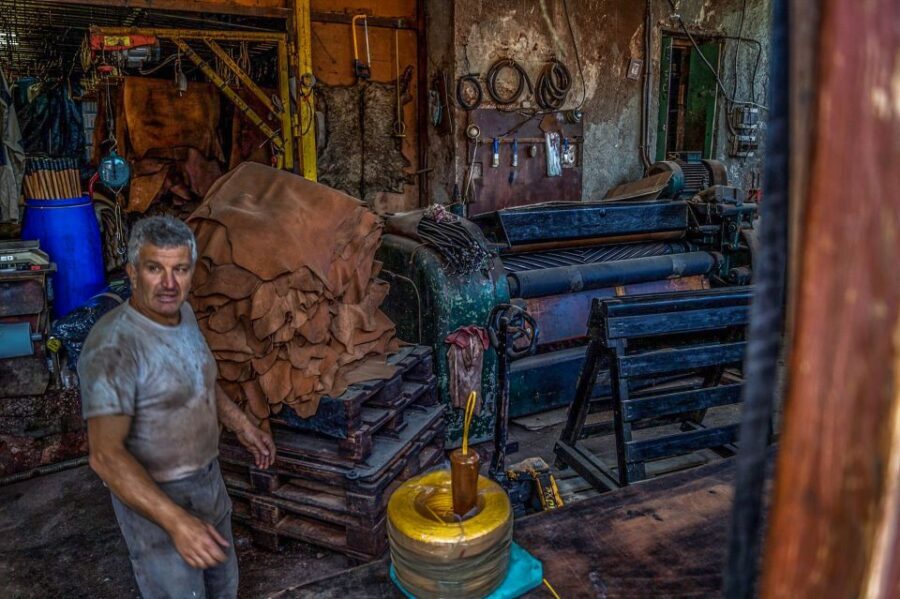
One of the most repeated positives in reviews is the “real people” feel—guides introduce you to local artisans and makers, with chances to watch (and sometimes try) their craft. The tour includes time that can feature traditional handmade work, and the concept is that you’ll learn how products are made, not just what to buy.
There’s also a highlighted example in the tour details: a stop tied to traditional knife-making—one of the last remaining workshops for handmade Cretan knives, with stories from the knife maker. Even if knives aren’t your thing, I like this type of stop because it gives you a tangible way to understand Cretan identity: the island makes things with care, and that shows up in more than just souvenirs.
Reviews also mention shopping afterward with better confidence—when you’ve met the person behind the product, you’re more likely to buy something meaningful instead of impulse souvenirs.
Ottoman and Jewish quarters: two layers of multicultural Chania on foot
After the crafts stop, the tour meanders through the Old Jewish and Ottoman neighborhoods. This is a key part of the experience because it reframes multiculturalism as lived history, not a side note.
You’re walking through parts of Chania where the guide connects daily life to centuries of overlap. It’s also where you’ll likely notice that the Old Town isn’t just one uniform style. It’s a mix—shaped by different communities, different rulers, and different survival needs.
If you love cities where streets have memory, this section delivers. The best tours of historic places don’t just say what happened—they help you see how it affected neighborhoods you can still walk today.
Harbor promenade and the tasting table: mezedes, raki, and wine
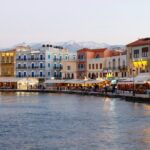
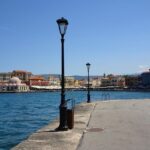
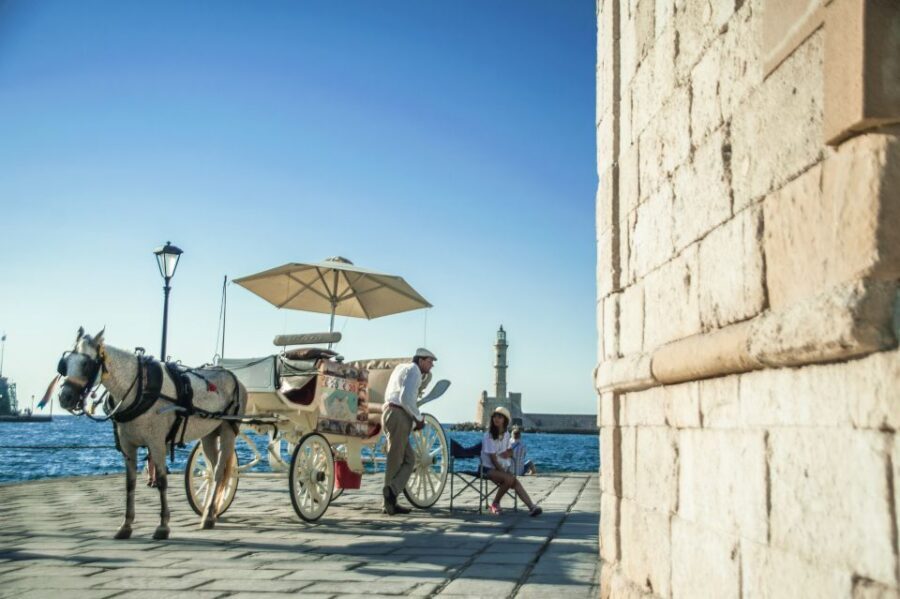
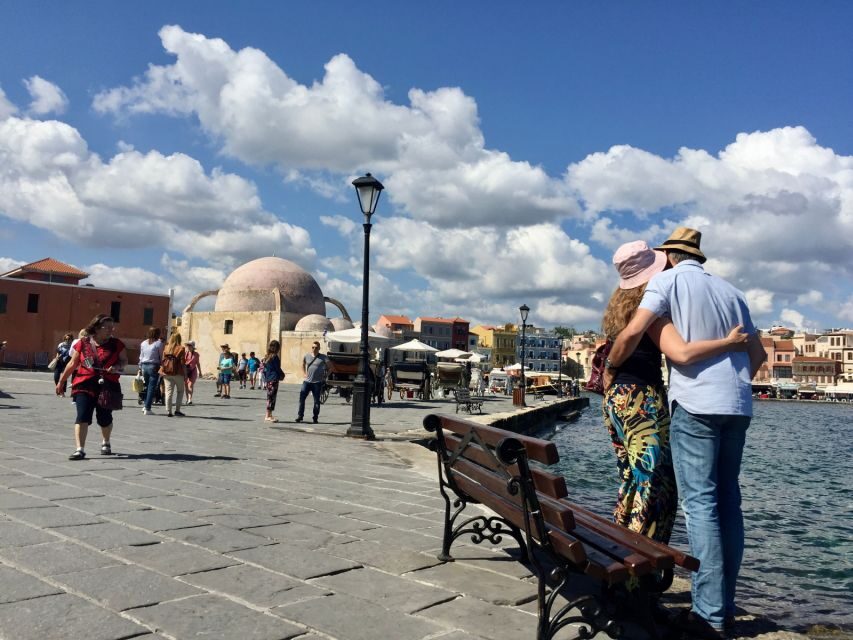
At the end of the walking route, you’ll reach the historic harbor’s promenade and then relax at a local favorite spot. Here’s where the tour transitions into “sit and enjoy.”
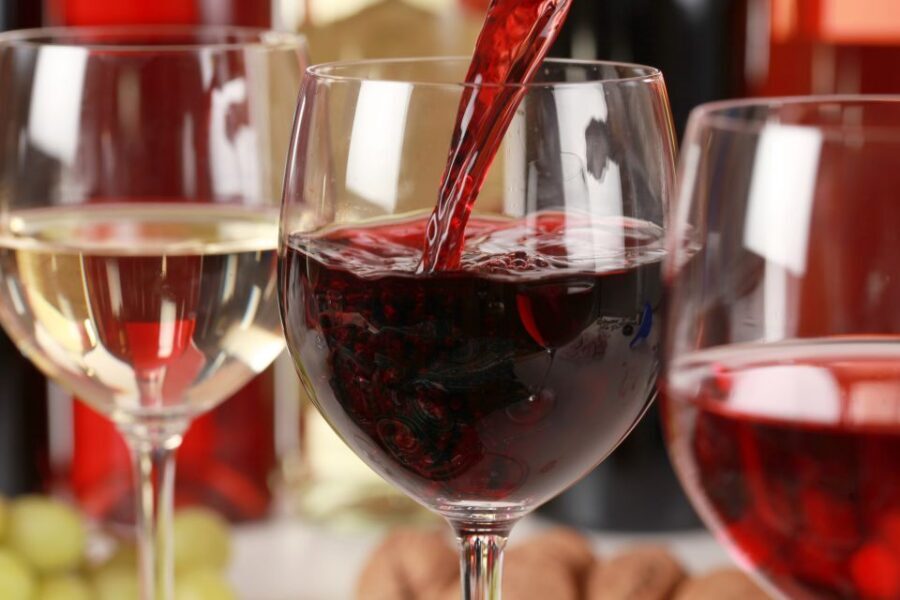
Included tastings include mezedes (Cretan tapas) and raki. The tour also lists a wine tasting stop of about 1 hour. Reviews back up that you’ll likely try more than one drink and multiple bites—enough that many people say dinner plans are basically unnecessary afterward.
This ending works for a practical reason: it gives you a moment to slow down after a lot of lanes and standing-and-walking. It’s also where you can ask questions while you’re comfortably seated—about restaurants, next-day plans, and what to prioritize if you only have a few hours left in Chania.
One more practical note: alcohol is included for adults. The tour states that alcoholic beverages are allowed for participants age 18 or older, and under-18 participants receive non-alcoholic beverages.
Pace, duration, and what to do if you’re short on time
The tour lasts 4 hours, which is a sweet spot in Chania. You get a big slice of Old Town without it turning into a full-day commitment.
In the reviews, people often describe a well-spaced rhythm: tastings and stops feel planned, so you’re not waiting forever for the next bite. There’s also mention of one tour turning more private when others didn’t show, which suggests the guiding style can flex depending on the group size.
If you’re doing Chania as a first stop in Greece, this kind of tour is smart. It gives you orientation fast: where the neighborhoods feel different, what local food tastes like, and what kinds of spots you’ll want to revisit later.
Price and value: is $114 per person a good deal?
At $114 per person for about 4 hours, the value comes from three things: guided access, multiple food/drink stops, and context that helps you spend your remaining time better.
You’re not paying just for walking and a couple of samples. The included list is meaningful: Greek coffee, local sweets, olives, honey, olive oil, mezedes, and raki, plus a coffee stop and a wine-tasting segment. That’s a lot of real consumption for a short window.
Then there’s the “how to use it later” value. When the guide points you to the types of places to return to—bakeries, small shops, neighborhood spots—you’re effectively saving time and reducing guesswork. Many reviews mention exactly that: leaving with shopping and restaurant tips, plus a clearer sense of what Chania is about.
If you’re the type who wants to taste a wide range without planning each stop yourself, this is good value. If you hate walking, or you prefer long meals over lots of short tastings, you might find the pace a little heavy.
Who should book this Chania food walking tour
This tour fits best if you:
- want a walking introduction to Old Town plus food
- like history stories tied to neighborhoods, not just monuments
- want a guided route so you don’t spend your first day figuring out where to eat
- enjoy tasting lots of local staples and drinks in one go
- want shopping help from people who make or sell the items
It’s less ideal if you:
- prefer full restaurants over repeated stops
- have limited mobility for uneven Old Town streets (even though it is listed as wheelchair accessible, you’ll still be navigating Old Town conditions)
- want a quiet, slow experience with long rests between stops
Quick do-this-now tips to get the most out of it
- Arrive with an empty-ish stomach. The tastings add up.
- Wear shoes you can move in for a few hours on old lanes.
- If you have dietary needs, tell the partner ahead of time so the right options are set.
- Bring questions. The end of the tour is a good moment to ask what to do next, since guides often share local restaurant and activity recommendations.
Should you book this tour?
If your ideal Chania day includes Old Town wandering, a market start, and a food-and-drink finish, I’d book it. The strong points keep repeating: memorable guides like Manos and Adonis, a well-paced route, and tastings that actually fill you.
I’d only hesitate if you dislike walking or you already planned a full meal schedule right after. Otherwise, this tour is one of the most efficient ways to learn Chania’s layout and taste the island in a single afternoon.
FAQ
How long is the Chania sightseeing and tastings tour?
It lasts 4 hours.
What’s the meeting point?
The tour meets in front of Kydon, The Heart City Hotel at the entrance. Your guide will be holding a Crete Local Adventures sign.
What’s included in the tour price?
Included items are the tour and guide, Greek coffee, local sweets, olives, honey, olive oil, mezedes (tapas), and raki (drink).
Do I need to pay extra for food and drinks?
Additional food and drink are not included, and personal expenses are not included. The tour includes tastings listed above, plus a wine-tasting stop is part of the route.
Can vegetarians or people with dietary restrictions join?
Yes. Vegetarians and other dietary restrictions can be accommodated if you notify the local partner in advance.
Is alcohol included?
Alcoholic beverages are allowed for participants age 18 or older. Participants under 18 are provided non-alcoholic beverages.
What should I bring?
Wear comfortable shoes.
Is the tour in English?
Yes, the live tour guide speaks English.
Can I cancel for a refund?
You can cancel up to 24 hours in advance for a full refund. You can also reserve and pay later.